
Most Popular Vegan Meats !!
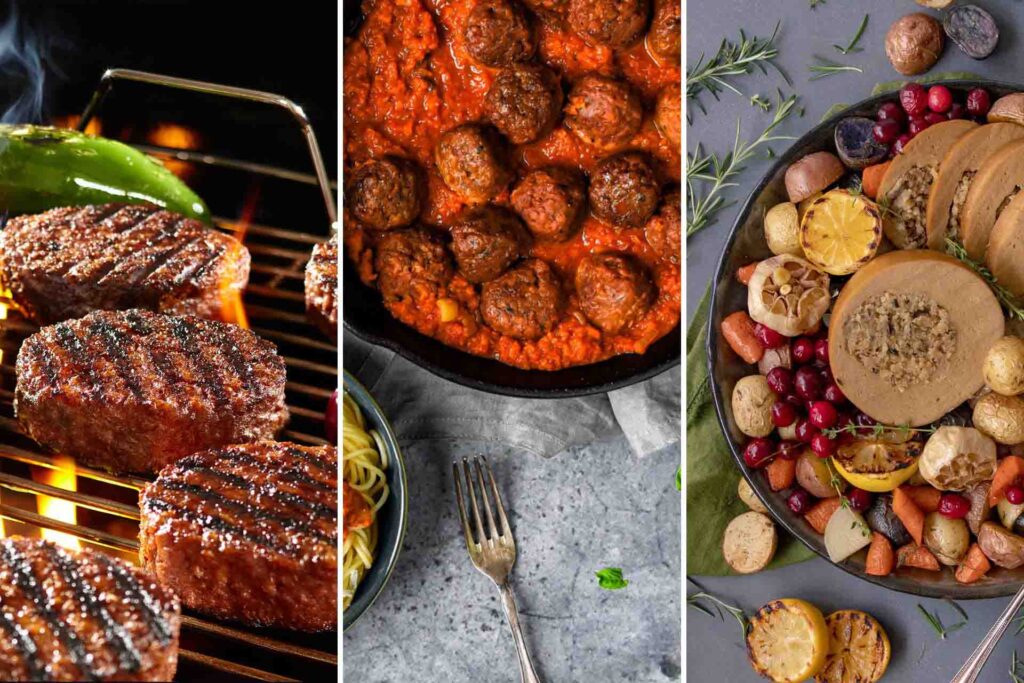
Nutritionists and climate experts alike are warning against the consequences of the current high levels of meat consumption in much of the world, while increasing numbers of consumers are viewing the consumption of meat in a negative light. Vegan products offer many health benefits and are significantly more sustainable than meat.
More and more consumers are questioning the consumption of meat and the effects that our diets have on animals, the environment, and our health. This is also reflected in the increasing demand for meat alternatives. All well-known supermarkets now offer a wide range of plant-based burgers, sausages, and other meat substitutes, based on legumes, vegetables, cereals, and other ingredients. Meat alternatives offer several advantages compared to meat. Vegan versions of burgers, for example, are free of cholesterol and usually contain fewer calories and less fat than similar burgers made with meat.
For whatever reason you decided to cut back on meat (i.e. budget, health concerns, lack of options at the store), you probably want to know if you’ll get enough protein from eating plants alone. Luckily, a lot of these meat substitutes have a great amount of plant-based protein.
Here are some of the best veggie meat alternatives to start adding to your weekly meal plan. Whether you’re cutting back on meat or looking for ways to include more veggies, these substitutes offer plenty of protein.
Tofu
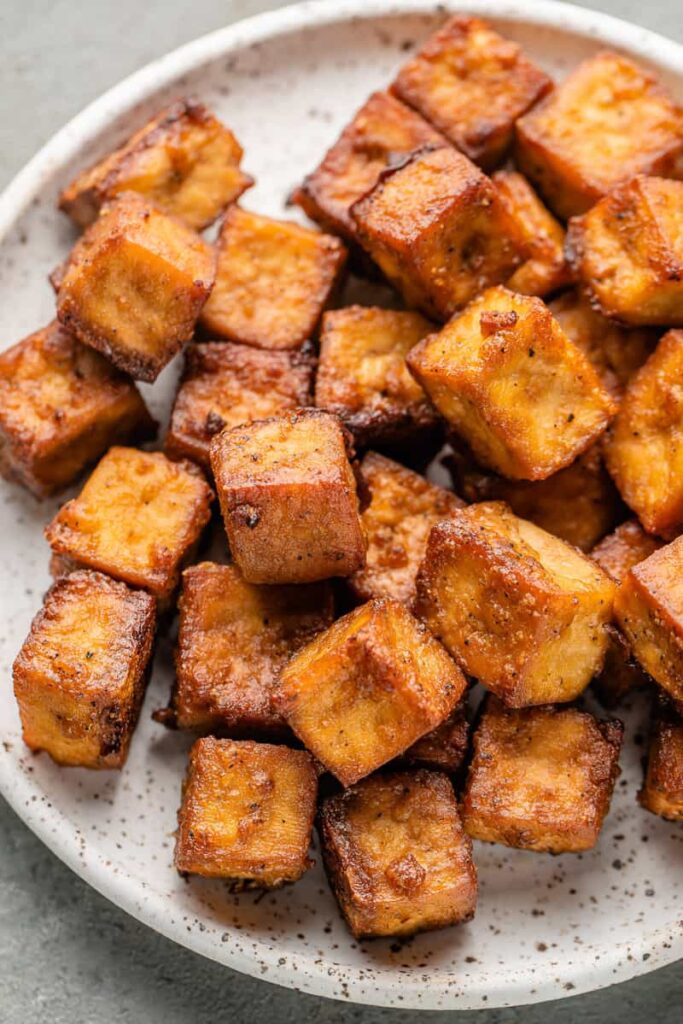
Tofu is the classic meat alternative and has been one of the basic sources of nutrition in Asia for centuries. It is appreciated in particular as a low-calorie source of protein. Tofu is also versatile as it easily absorbs aromas from spices and marinades. Today, tofu is available in countless variations, including aromatic, smoked versions, and marinated varieties flavoured with various herbs and spices.
Tofu is made using soaked soya beans, which are mashed with water to form a smooth puree. Afterwards, the puree is filtered, which separates the firm, fibrous constituents from the liquid content. The liquid is then heated to just below boiling point and curdled, which solidifies the liquid content in a similar way to how cheese is made. The tofu is then pressed into slabs, while the leftover solid mass, commonly known as okara or soya, is dehydrated and used as mince, chunks, or cutlets.
Soya protein
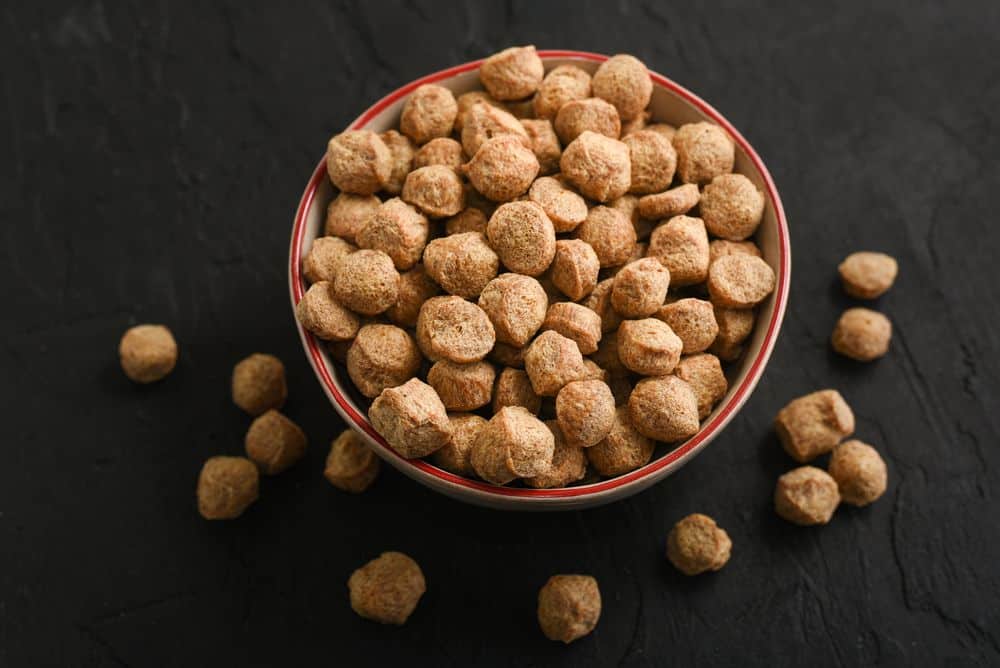
Soya chunks and mince are very inexpensive ingredients that are easy to prepare. They consist of dehydrated soya which, once mixed with water, can be used as a meat substitute in almost any dish. Soya is most commonly sold as mince, cutlets, or balls. As with tofu, marinades and spice mixtures can be added to produce virtually any aroma or flavour. This makes soya ideal for vegetarian burgers, meatballs, cutlets, bolognese sauce, or chilli sin carne.
Tempeh
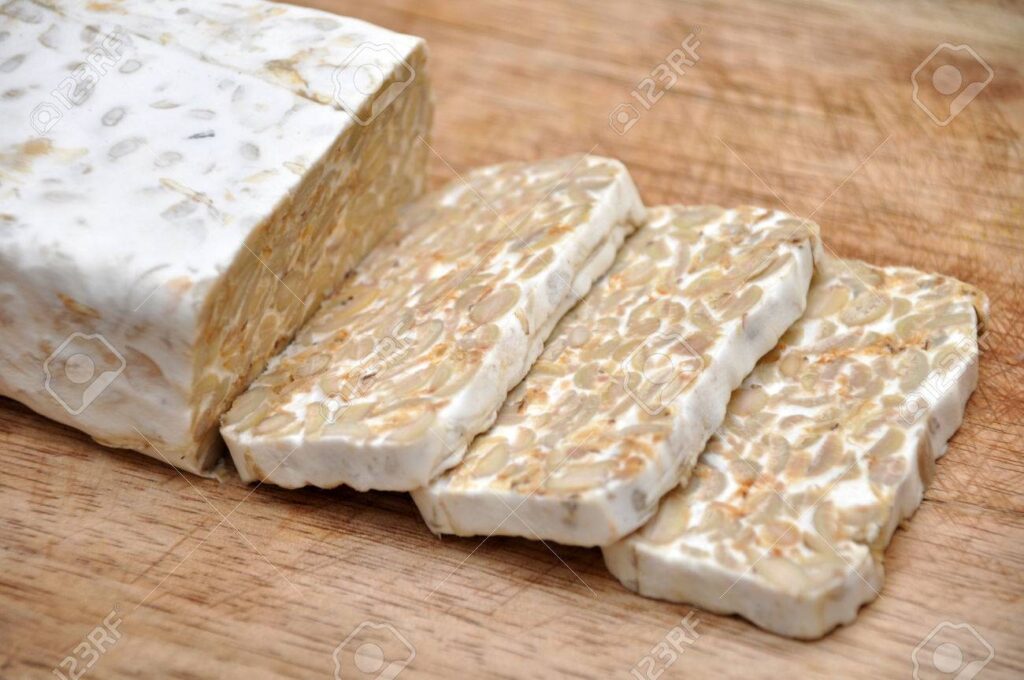
Tempeh is a traditional Indonesian food, made from fermented soya beans. Similar to the production of cheese, tempeh takes advantage of the effects of special bacterial cultures that break down the protein in the beans and make them particularly accessible to the human digestive system. Containing 20% protein on average and a high fibre content, tempeh is ideal for a balanced diet. Thanks to its versatility, there are no limits to one’s culinary creativity when using tempeh.
Seitan/wheat protein
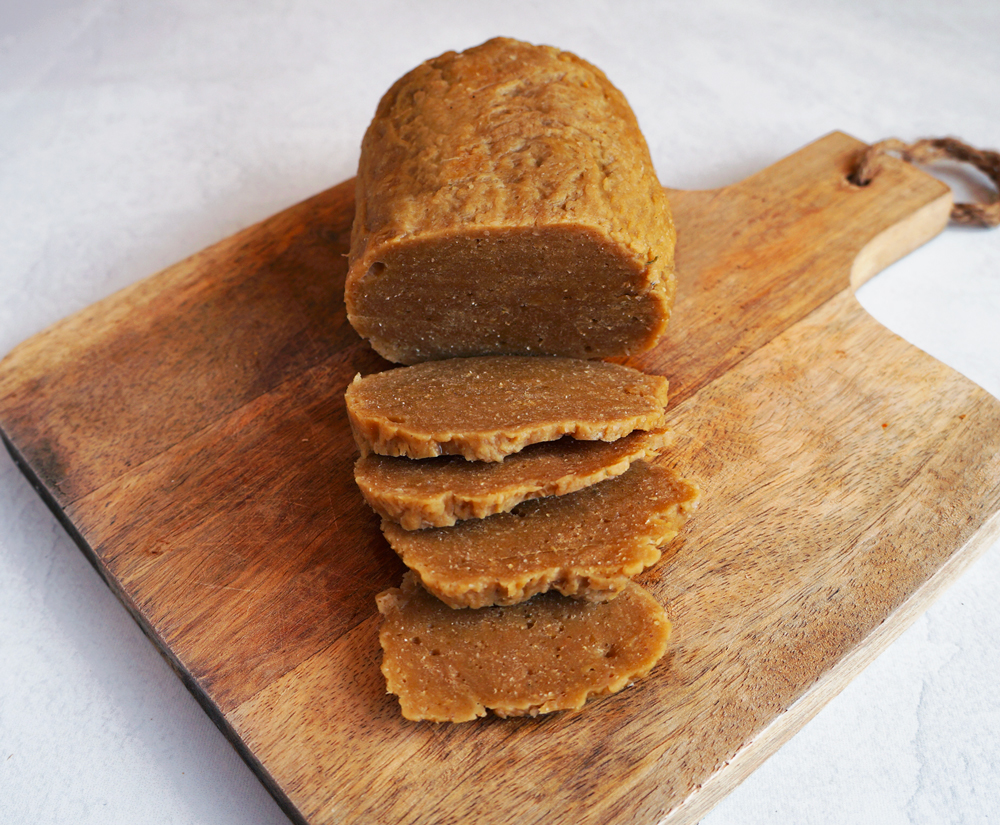
Seitan is the protein contained in wheat. Easy to season and prepare, and with a consistency similar to meat, seitan is a popular meat substitute that has been a staple ingredient in Asian cuisine for millennia. It is made by washing wheat flour dough with water until all the starch granules have been removed, leaving only the wheat gluten. It acquires its meaty texture by boiling, baking, or steaming the raw dough. Seitan is used in a broad range of products, including cold cuts, sausages, and cutlets. Seitan powder is widely and cheaply available in many countries in the form of vital wheat gluten and is ideal for making vegan sausages or cold cuts at home. Vital wheat gluten can be made at home from wheat flour, although it is a time-consuming process. Since seitan is essentially wheat gluten, it is not suitable for people with celiac disease or those who are following a gluten-free diet.
Jackfruit
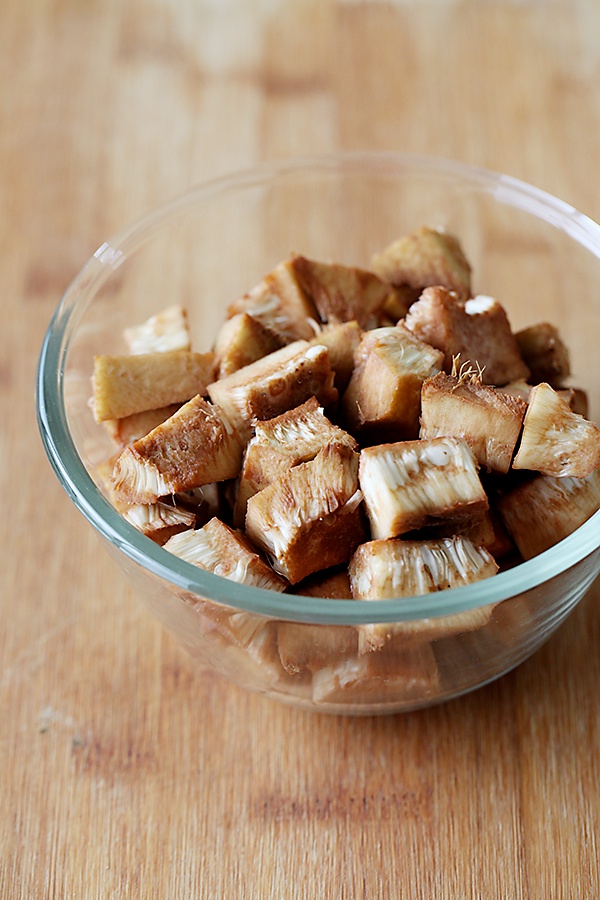
Now, with many people looking for plant-based alternatives to meat, jackfruit’s trajectory is up, up, up. Vegetarians and vegans found out how this fruit, especially its fruit pods, could be used as a ‘meat substitute’ . It’s one of the best choices of “meat substitute” for us because we can mimic meat, and Jackfruit grows in abundance, and it has potassium, fiber, magnesium, lots of nutrients.
While jackfruit is still young (and not yet sweet), the meaty flesh of the fruit native to Southeast Asian countries can be shredded and cooked just like pulled pork. It also contains a healthy amount of vitamins A, C, and a few B vitamins. Due to its rise in popularity, you’ll likely be able to find canned jackfruit (in water or brine) in the Asian section of your supermarket or specialty grocers. The produce sections of many grocery stores also offer ready-to-cook packages of jackfruit that are already marinated.
Cabbage
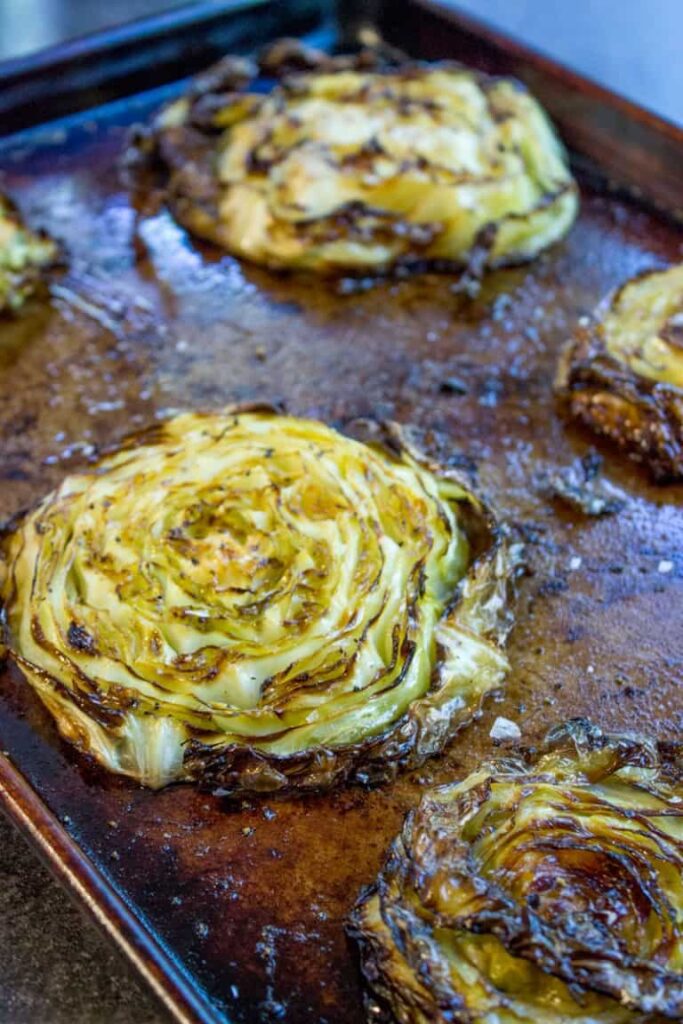
Cabbage isn’t just for sauerkraut! It takes on a whole new level of flavour when you cut a head of cabbage into thick slices and roast them in the oven – cabbage steaks turn super tender and caramelized.
Mushroom
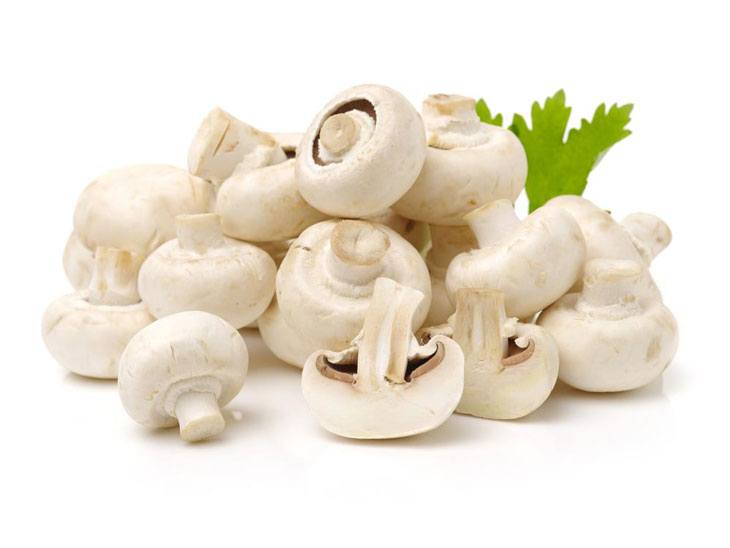
Mushrooms are one of the most popular vegetables to replace meat due to their savory umami flavor and meaty texture. Portobello mushrooms are large enough to eat just like a burger and sturdy enough to be able to throw on the grill without falling apart. They also make a great beef-like substitute.
Cauliflower
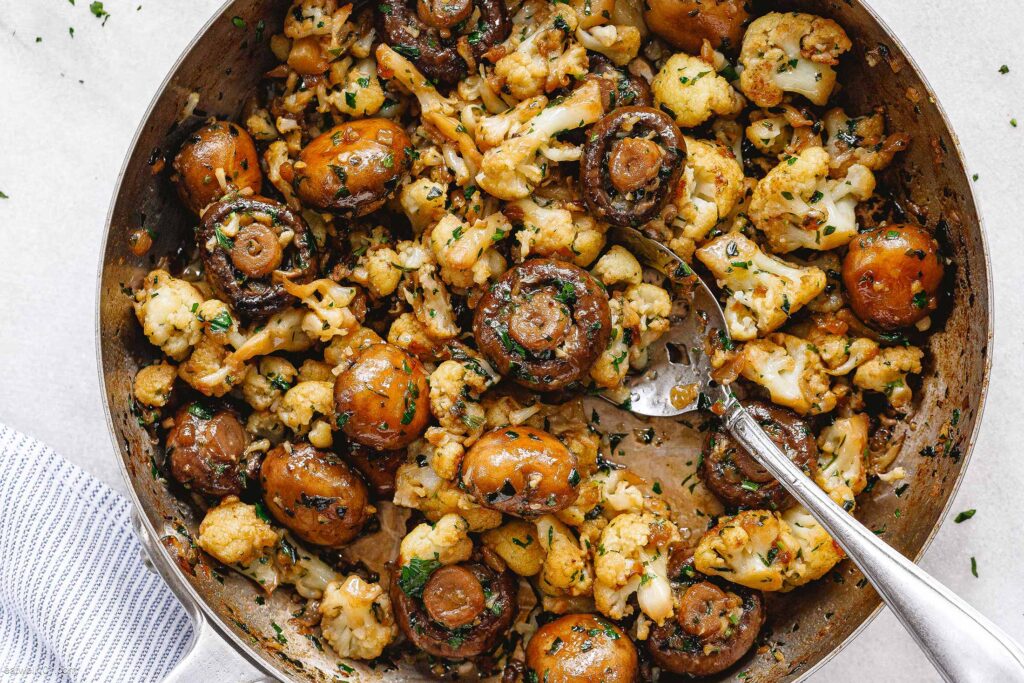
With its naturally high vitamin, mineral, and fiber count, cauliflower is on the healthy menu for meat-eaters and vegetarians alike. The versatile cruciferous veggie can turn into a meat substitute for a main or side dish, like the perfect low-carb rice swap or cauliflower pizza crust. Bonus: cauliflower even makes the list of top anti-inflammatory foods.
Texturized Vegetable Protein (TVP)
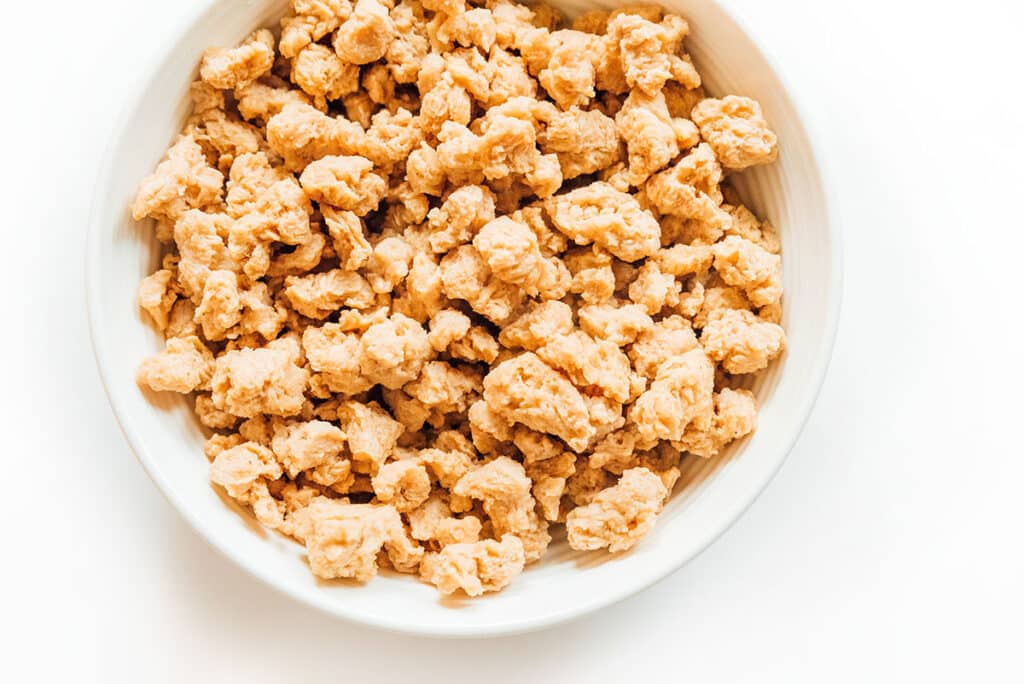
TVP is a highly processed vegan meat substitute developed in the 1960s by food conglomerate Archer Daniels Midland.
It’s made by taking soy flour — a byproduct of soy oil production — and removing the fat using solvents. The end result is a high-protein, low-fat product.
The soy flour is extruded into various shapes such as nuggets and chunks.
TVP can be purchased in dehydrated form. However, it’s more often found in processed, frozen, vegetarian products.

Yuba
Tofu skin is the best edible skin. A by-product of soy milk production, yuba is the sheet of coagulated soy proteins that forms on the surface of a hot vat of soy milk. It has a concentrated soy milk flavor and chewy texture akin to the surface of a fresh mozzarella ball. Yuba is a staple ingredient in Chinese and Japanese cooking, as well as several Southeast Asian cuisines. It’s either sold fresh, with its delicate flavor enjoyed like a fresh cheese, or dried into less-flavorful sheets, logs, or sticks, in which case it’s rehydrated before getting simmered, steamed, or fried. Yuba sheets are often used as dumpling-like wrappers for various dim sum, and they blister like wonton skins when fried.
Unless you live close to a soy milk producer, dried yuba is much easier to find, but do seek out the fresh stuff if you can find it. Pan-fry a sheet, then top with salt and sweetened condensed milk. It’s the ultimate pudding skin.
Pea Protein
Peas, or pea protein, is the newest trendy ingredient being used to make plant-based meat alternatives. What’s so amazing about pea protein is that, similarly to soy, it’s a complete protein with a neutral flavor. And while unfounded rumors have circulated for years about soy’s alleged health effects, pea protein does not carry that baggage
Lupin protein
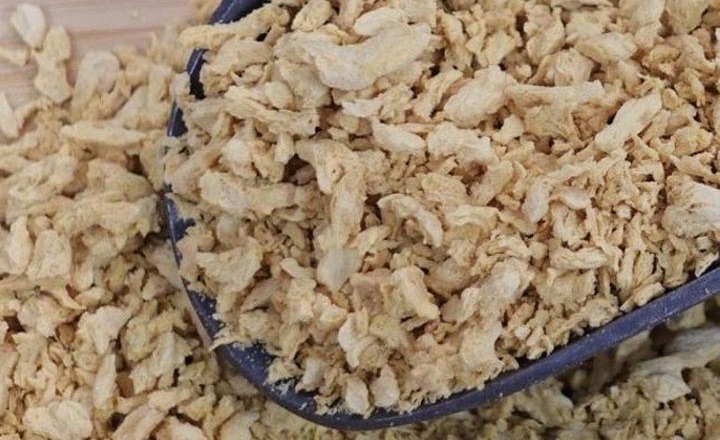
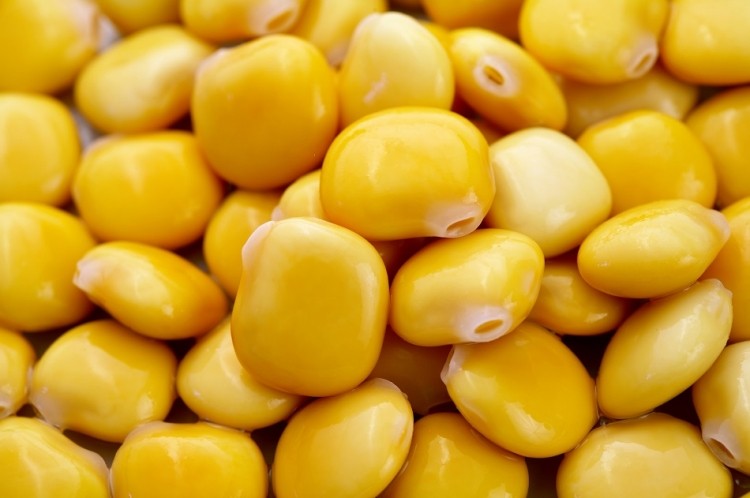
Like soya beans, lupins are protein-rich legumes. Considered one of the meat alternatives of the future, the cultivation of lupins is particularly sustainable and easily possible in Europe, which has an ideal climate for it. Products containing lupin protein include cutlets, doner kebabs, and sausages. These are available from most organic food stores, vegan supermarkets, and online shops.
Green spelt
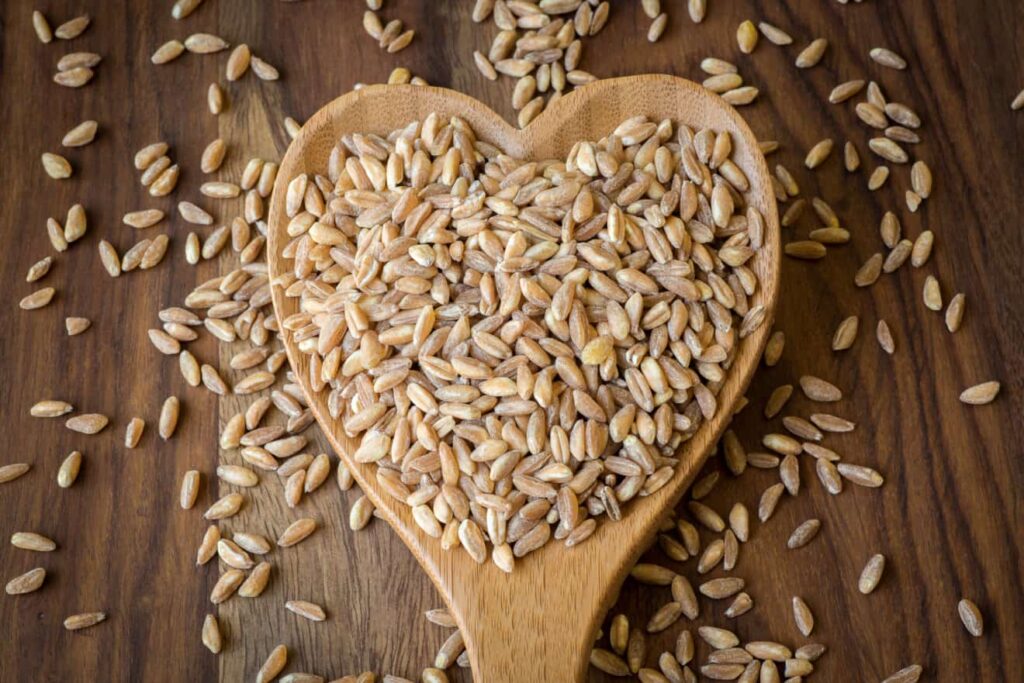
Spelt is a species of wheat and one of the oldest cultivated grains. Green spelt is the name for spelt grain that is harvested while semi-ripe. Once harvested, it is roasted and dried to improve its shelf life. This process lends the spelt a particularly intense flavour and makes it easily digestible. Green spelt has an especially high content of B vitamins, along with significant quantities of magnesium and phosphorus. Bruised grain and semolina made from green spelt are a good basis for vegetarian/vegan patties, cutlets, and meat(free)balls. Green spelt is available from organic health food stores and supermarkets in the form of partially prepared cutlets, bruised grain, or semolina.
Oat flakes
Oat flakes can be used to prepare delicious cutlets. These consist of fried oat dough combined with vegetable broth, a little fat, grated carrots or courgettes, and usually other vegetable proteins. Oat flakes are an ideal source of zinc and iron and are available at an affordable price from any supermarket or discounter. Oat flakes provide a slow and steady supply of complex carbohydrates, which can prevent hunger and thus promote fat loss. Oats are an increasingly favoured source of protein and are even available in the form of ‘pulled oats’, which are an alternative to pulled pork.
Chickpeas
Chickpeas should be an integral part of any diet due to their beneficial nutrient composition. They contain more protein than many types of meat, provide a substantial portion of iron, and have a calcium content similar to that of milk. Rich in fibre, chickpeas are very filling and constitute the basic ingredient in several Middle Eastern dishes, including falafel and hummus.
Frequently Asked Questions
When it comes to meat alternatives, are there any cons?
Some meat substitutes, especially commercial ones, may go under heavy processing to recreate the flavor or texture of real meat, making them high in saturated fats, fillers, sugar, artificial colors, or sodium. As a general rule, try to go for those with just a few ingredients on the label, or use fresh, natural produce to create your own meat alternative dishes, like homemade veggie burgers, perfect for a beef swap.
Which meat substitute has the higher amount of protein?
Seitan is one of the most high-protein meatless substitutes, with up to 25 grams of protein per cup, almost like a portion of 100 grams of chicken breast which has 27 grams of protein.
Is plant-based protein healthier?
Depends on your needs and how you prepare them—for example, deep-fried vegetables, while delicious, may contain certain fats that aren’t necessarily good for you. So, always check your meat alternatives so you can reach your daily requirement of fiber, protein, and vitamins, ensuring a healthy and nutritious diet overall.